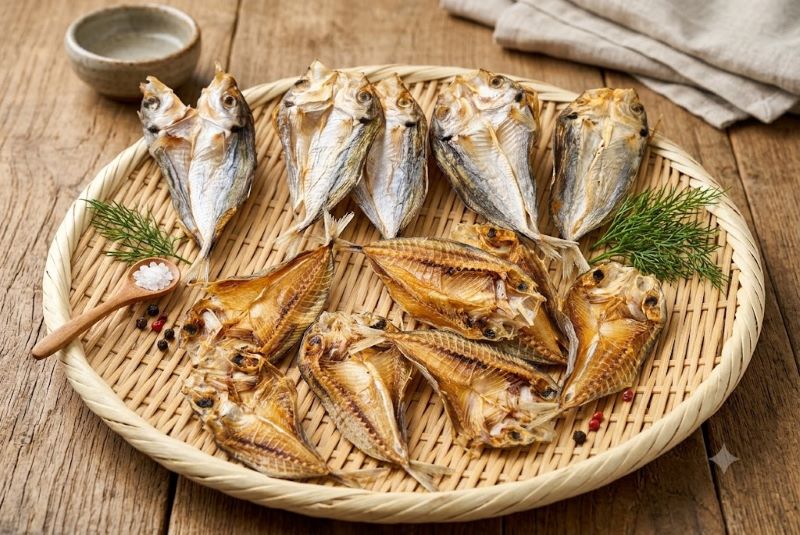
Dried Fish Pet Treats: Asia's Clean-Label Trend 2026
Single-Ingredient Dried Fish Treats: Asia's Clean-Label Trend Going Global
Key takeaways
- Single-ingredient dried fish treats — one fish, dried, nothing added — are one of the fastest-rising formats in premium pet nutrition, riding the clean-label and pet-humanization waves.
- Asia wrote the playbook. Japanese bonito (katsuobushi) and Korean dried pollock (hwangtae) treats proved that pets love pure dried fish — and the format is now spreading to Australia, Canada, New Zealand, and beyond.
- The Asia-Pacific pet treats market is set to grow from US$5.99 billion in 2025 to US$8.16 billion by 2030, with freeze-dried, jerky, and dental treats among the leading segments.
- For manufacturers and private-label brands, dried fish offers a rare combination: clean label, functional benefits (omega-3, dental, hypoallergenic protein), and strong palatability in a shelf-stable ingredient.
Pet owners increasingly read the ingredient panel the way they read their own. The shorter and more natural the list, the better — and nothing is shorter than a single ingredient. Dried fish treats sit right at that intersection of clean label, function, and taste, which is why they are moving from an Asian specialty into a global category. This guide is for pet food manufacturers, private-label brands, and importers looking to add dried fish to their range.
What are single-ingredient dried fish treats?
Single-ingredient dried fish treats are pet treats made from one species of fish, dried to a low moisture level, with no seasoning, additives, or preservatives. The fish is the entire product. This purity is exactly what "clean-label" shoppers want, and it makes the treats suitable for dogs and cats — including pets on limited-ingredient or elimination diets.
Because they are simply dried fish, these products double as treats, meal toppers, training rewards, and functional chews, giving a single SKU multiple uses on shelf.
Why the clean-label, single-ingredient trend is booming
Three forces are converging in 2026:
- Humanization and clean label. Owners want natural ingredients with minimal additives. The all-natural dog treat market alone was valued at around US$44.2 billion in 2025 and is growing at roughly 12.3% a year, driven by concern over artificial additives and preservatives.
- Premiumization of treats. The global pet treats market is projected to rise from about US$38.4 billion in 2026 to US$58.7 billion by 2031, with animal-based treats holding the largest share thanks to high protein content and palatability.
- Asia-Pacific momentum. APAC is the fastest-growing pet treats region, expected to climb from US$5.99 billion in 2025 to US$8.16 billion by 2030 — and dried, freeze-dried, and jerky fish treats are native to this market.
Asia wrote the playbook
Dried fish treats are not a new invention — they are a centuries-old Asian food tradition now being formulated for pets.
- Japan: bonito (katsuobushi) flakes and skipjack tuna pastes have become a global reference point for cat treats, proving the pull of pure fish flavour.
- South Korea: hwangtae (dried pollock) is roasted or freeze-dried into nutrient-dense, low-fat pet snacks.
- Taiwan and Japan also blend dried fish with functional ingredients for immunity and organ health.
For manufacturers in Australia, Canada, New Zealand, Singapore, Korea, and Japan, this cultural credibility is a marketing asset: dried fish treats already have proven consumer acceptance.
The functional benefits manufacturers can build on
Dried fish is not just clean — it is functional. Each format supports a different claim on pack.
| Benefit | What drives it | Positioning |
|---|---|---|
| Skin & coat | Omega-3 fatty acids (EPA/DHA) | "Shiny coat", "healthy skin" |
| Dental health | Crunchy dried texture, natural chewing | "Dental chew", "tartar support" |
| Hypoallergenic / novel protein | Single fish species, no additives | "Limited ingredient", "sensitive diets" |
| High palatability | Natural fish aroma and taste | "Irresistible", "picky-eater approved" |
| Lean protein & minerals | Protein, calcium (from bone), vitamins | "High protein", "natural calcium" |
Dried fish formats for pet food manufacturers
Baseafood processes a range of dried fish that maps directly onto these treat and topper opportunities — all dried to low moisture with no seasoning or additives, and produced under HACCP, BRC, FDA, HALAL, SMETA, and ISO certification.
| Product | Species | Best-fit use | Key benefit |
|---|---|---|---|
| Dried Herring / Sardine Fillet | Sardinella gibbosa | Dry & wet food ingredient, treats, toppers | Omega-3, skin & coat |
| Dried Fish Bone (Iwashi / Aji / Kisu) | Sardine / horse mackerel / whiting | Dental chews, calcium topper | Natural calcium, dental |
| Dried Yellowstripe Trevally | Selaroides leptolepis | Whole-fish treats, toppers | Lean protein, novel protein |
| Dried Yellowtail | Yellowtail | Treats, toppers | High-protein reward |
- The “Dried Herring Sardine Fillet” is well-dried to ~15% moisture with no seasoning, rich in omega-3 — ideal for dry and wet food, treats, and homemade diets.
- The “Dried Fish Bone (Iwashi, Aji, Kisu)” delivers a natural, crunchy dental chew and a calcium-rich topper.
- [INTERNAL LINK: product page "Dried Yellowstripe Trevally"] and [INTERNAL LINK: product page "Dried Yellowtail"] offer whole-fish and novel-protein options for treats and toppers.
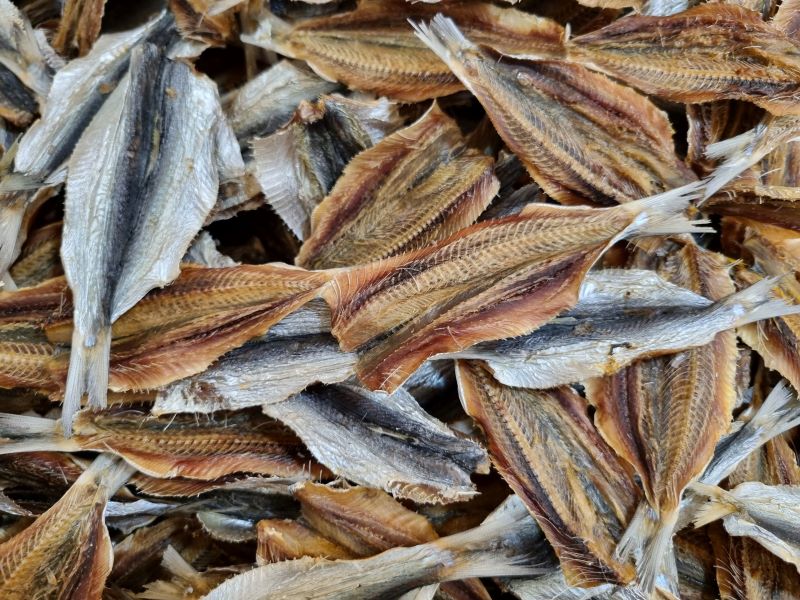
Together, these cover the three biggest treat claims — skin & coat, dental, and limited-ingredient — from a single supplier.
The private-label and OEM opportunity
Because dried fish is a finished-format ingredient, it is ideal for private-label and OEM programmes. A brand can launch a clean-label fish treat line without building its own drying and processing capability — sourcing consistent, certified product and packing it under its own label.
For importers and distributors in premium markets, single-ingredient dried fish fills a clear shelf gap: a natural, functional treat with an Asian provenance story and a short ingredient list. Minimum order quantities, sizes, and packaging can be matched to the target retail channel.
What to check when sourcing
Dried fish for pet food must meet food-safety and traceability standards, and import rules vary by country (Australia, Canada, New Zealand, Japan, and others each have their own requirements). Prioritise suppliers with recognised certifications, complete traceability, and stable raw-material access. For a full checklist, see our guide on[INTERNAL LINK: /sourcing-fish-pet-food-suppliers "sourcing fish ingredients for pet food"]. For the broader case for marine protein, see [INTERNAL LINK: /fish-in-pet-food-2026 "why manufacturers are choosing fish in pet food"].
FAQ
What is a single-ingredient dried fish treat?
It is a pet treat made from one species of fish, dried to a low moisture level with no seasoning, additives, or preservatives. The fish is the only ingredient, which makes it suitable for clean-label and limited-ingredient diets for dogs and cats.
Are dried fish treats good for cats or dogs?
Both. Dried fish treats work as treats, meal toppers, training rewards, and dental chews for both cats and dogs. Fish is especially popular in cat products, where palatability and omega-3 content are valued.
What are the benefits of dried fish in pet food?
Dried fish provides omega-3 fatty acids for skin and coat health, high-quality protein, natural calcium (from bone products), and strong palatability. Single-species dried fish is also useful for hypoallergenic and limited-ingredient formulations.
Can dried fish be used for private-label pet treats?
Yes. Dried fish is a finished-format ingredient well suited to private-label and OEM programmes, allowing brands to launch clean-label fish treats without their own drying and processing facilities. Sizes, packing, and MOQs can be tailored.
What certifications should a dried fish pet food supplier have?
Look for HACCP, BRC, FDA registration, and social-audit standards such as SMETA, plus ISO and HALAL where relevant. These cover food safety, quality, and traceability — important for import approval in markets like Australia, Canada, and Japan.
Conclusion
Single-ingredient dried fish treats combine everything the 2026 pet market rewards: a clean label, functional benefits, proven palatability, and a compelling Asian provenance story. For manufacturers and private-label brands, the opportunity is to bring a category Asia already loves to premium shelves worldwide — starting with a certified, traceable supply of dried fish.
Baseafood supplies dried herring/sardine fillet, dried fish bone, dried yellowstripe trevally, and dried yellowtail — clean, additive-free, and certified to HACCP, BRC, FDA, HALAL, SMETA, and ISO. Contact us for samples, specifications, and private-label options.

