Vietnam Frozen Loligo Squid Supplier
Vietnam Frozen Loligo Squid Supplier
Vietnam's coastal waters — especially the South Central Coast — are home to one of Asia's busiest squid fisheries. Here, Loligo edulis squid is processed into many different frozen and dried products for export around the world. But "squid" is not just one product. Each processing format is different. Each one is made for a different buyer, a different price, and a different way of cooking.
This guide explains six squid formats that Vietnam commonly exports. It will help you pick the right product before you ask for a quote.
Key Takeaways
Vietnam processes Loligo squid into six main formats: whole round (not cleaned), whole cleaned (gutted), tube, ring, tentacle/head, and dried squid. Buyers usually fall into three groups: retail and foodservice buyers who want ready-to-cook squid (whole cleaned, ring), food manufacturers who need a uniform raw material for further processing (tube), and cost-conscious buyers who want cheaper cuts (tentacle/head) or a shelf-stable snack (dried squid). All formats are made under HACCP, BRC, HALAL, FDA, ISO, IFS and SMETA certification.
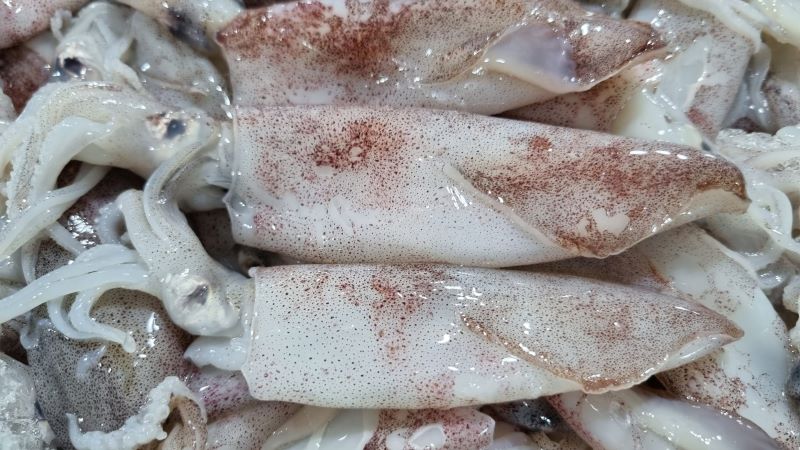
1. Squid Whole Round
Whole round squid is the whole animal, not yet cleaned — the ink sac, organs, and beak are still inside. Buyers who want to clean and cut the squid themselves choose this format. It costs less to process, so it's the most flexible option if you have your own cutting team or need a special cut that isn't a standard format.
Best for: processors and factories who want to do their own cutting in-house.
2. Squid Whole Cleaned
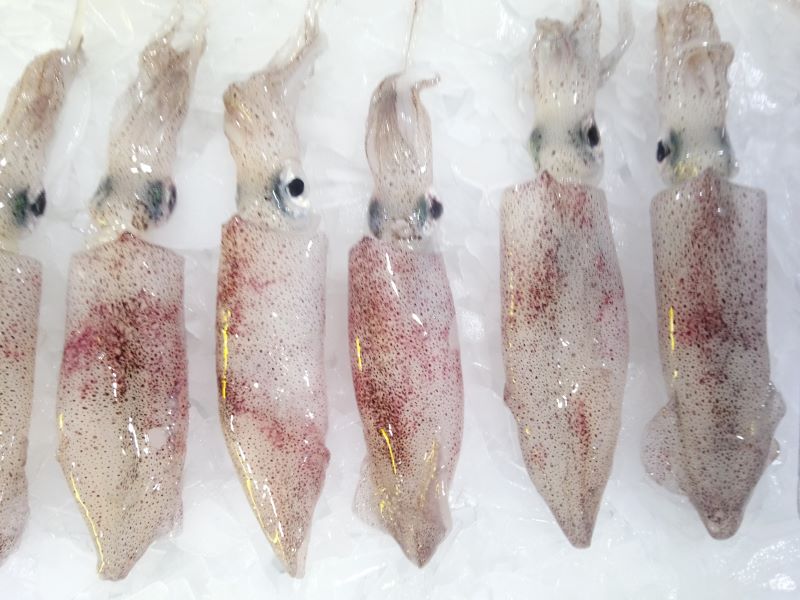
Whole cleaned squid has the ink sac, organs, and beak removed, but the body stays in one piece. This saves prep time in the kitchen without breaking the squid into smaller parts. It's a good all-purpose choice for grilling, stuffing, or any dish where you want to show the whole squid.
Best for: restaurants and retailers who want a ready-to-cook squid with a nice whole shape.
3. Squid Tube
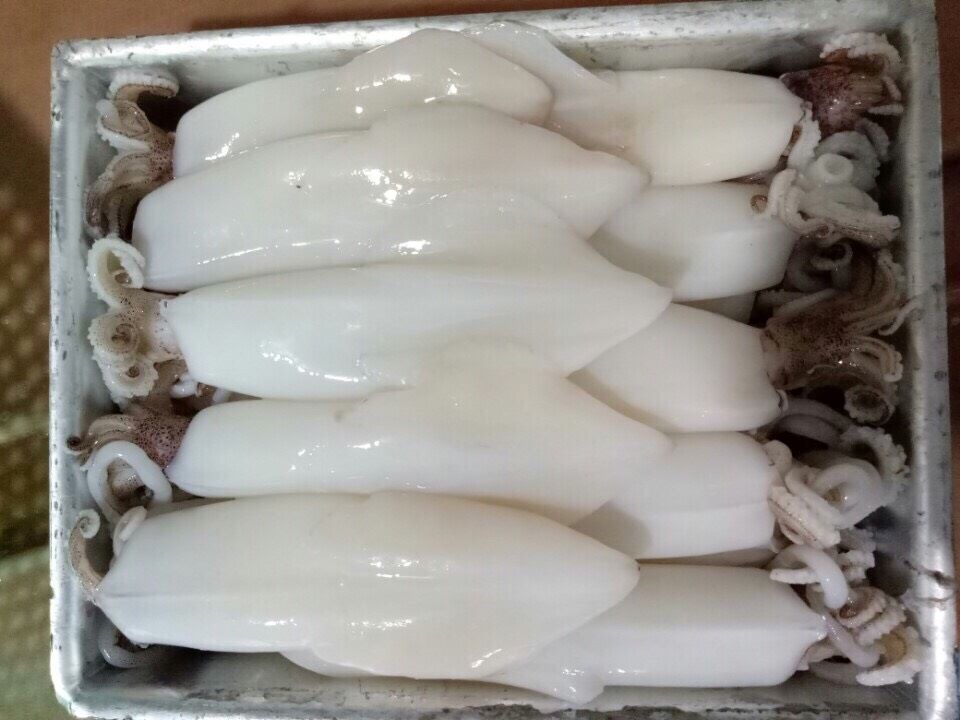
Squid tube is the cleaned body with the head, tentacles, and fins removed. What's left is a hollow tube shape — perfect for stuffing, slicing into rings, or cutting into strips. This is one of the most popular formats in food manufacturing, because the tube's simple shape makes it easy to cut into equal portions.
Best for: food factories and kitchens that need a simple, easy-to-cut raw material.
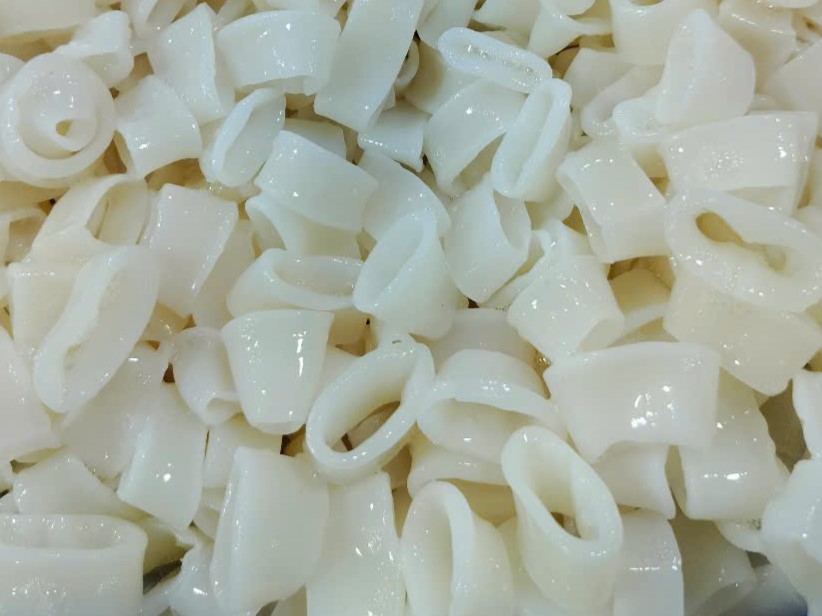
4. Squid Ring
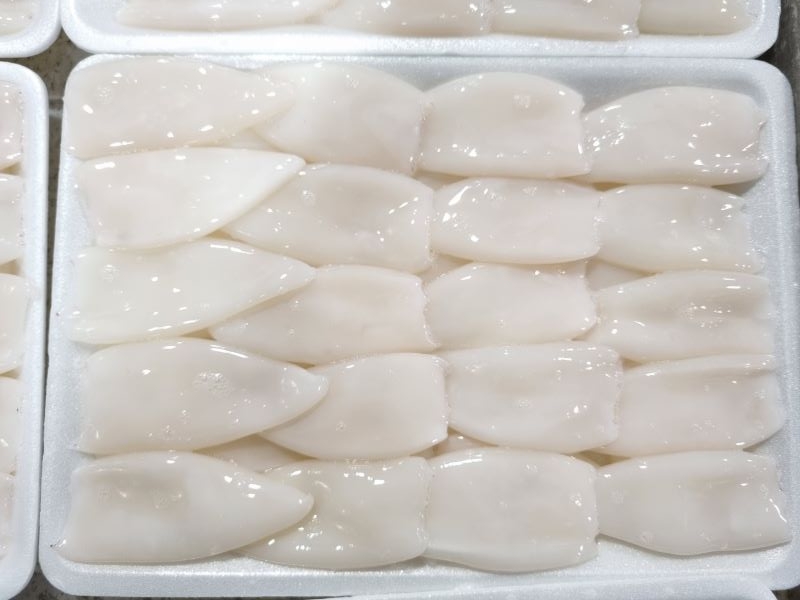
Squid ring is the tube, already sliced into rings. This is the squid shape most people know best — usually breaded and fried as calamari, or added to salads and pasta. Buying pre-cut rings saves a step for kitchens and retailers, since they don't need to slice the tube themselves.
Best for: retail brands, restaurants, and foodservice chains selling calamari or squid ring dishes.
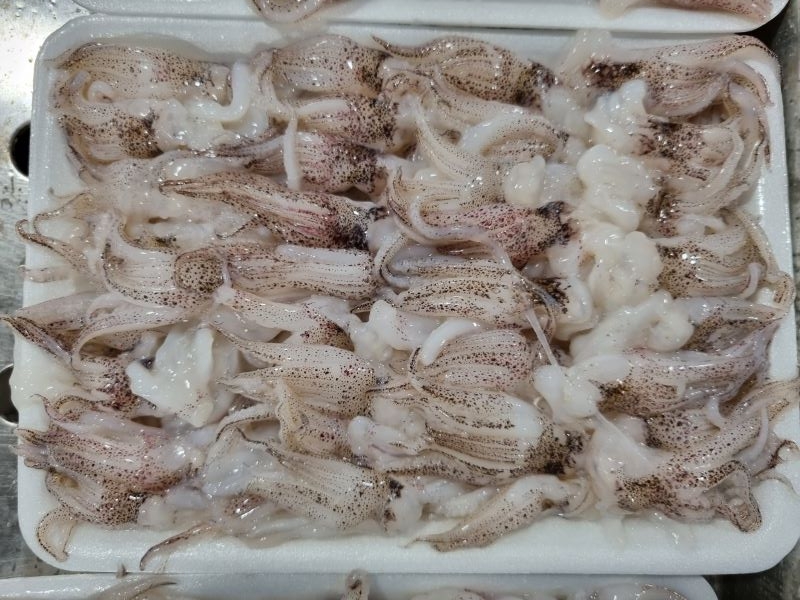
5. Squid Tentacle / Head
This is the part removed from the tube during cleaning — the tentacles and head. It has a slightly chewier texture and a different look, and it's often used in stir-fries, soups, and mixed seafood dishes. Since it costs less than tube or ring, it's a smart choice when you're cooking the squid, not showing it whole.
Best for: kitchens and manufacturers who want an affordable squid ingredient for cooked dishes.
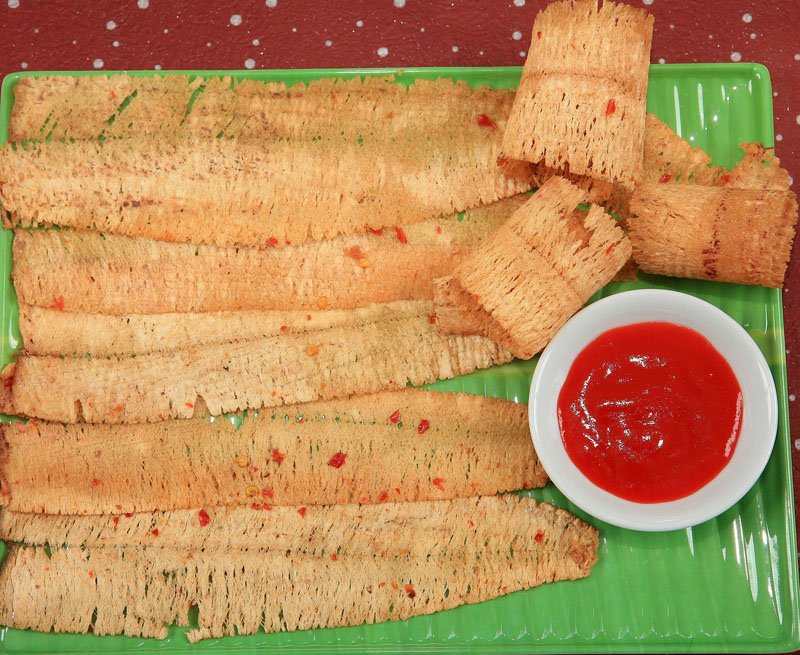
6. Dried Squid Selection
Dried squid is dried in the sun, not frozen. This makes a chewy, shelf-stable snack that people usually grill or toast, then tear into strips for dipping. It's one of the best-known snack foods in Asia. Unlike the five frozen formats above, dried squid doesn't need a cold chain — so it's easy to store and ship over long distances.
Best for: snack distributors and buyers who don't have cold storage for the whole supply chain.
Which Squid Cut Is Right for You?
| If you need... | Choose this cut |
|---|---|
| Full control to cut the squid yourself | Whole Round |
| A ready-to-cook squid with a nice shape | Whole Cleaned |
| A simple raw material for further processing | Tube |
| Pre-cut rings, ready to fry | Ring |
| A cheaper ingredient for cooked dishes | Tentacle / Head |
| A snack that doesn't need cold storage | Dried Squid |
Why Buy Squid from Vietnam
Vietnam's South Central Coast — especially around Bình Thuận, Ninh Thuận, and Bà Rịa-Vũng Tàu — has a strong Loligo edulis catch. The main squid season runs from March to May, with a smaller second season in July and August. Combined with years of processing experience, this gives buyers steady access to every squid cut from one country.
Baseafood makes all six formats in this guide under HACCP, BRC, HALAL, FDA, ISO, IFS and SMETA certification, with full traceability from catch to delivery. Buying several cuts from one supplier also makes shipping simpler — you can combine whole cleaned, tube, ring, and other formats into one container, instead of ordering from several different exporters.
Frequently Asked Questions
What is the difference between squid tube and squid ring? Tube is the whole cleaned body in one piece — good for stuffing or cutting at home. Ring is the tube already sliced into rounds, ready to bread and fry. Rings save you a step if you don't want to cut the squid yourself.
Which squid cut costs the least? Whole round (uncleaned) and tentacle/head usually cost the least, because they need less processing than tube, ring, or whole cleaned squid.
Can I order several squid cuts in one container? Yes. Most Vietnamese suppliers, including Baseafood, can combine several squid formats in one container (LCL), or arrange full container loads (FCL) for a single cut. Ask your supplier about minimum order amounts.
Is dried squid made the same way as the frozen formats? No. Dried squid is dried in the sun, not frozen. This gives it a different texture, lets it sit at room temperature, and makes it more of a snack food than a cooking ingredient.
How do I ask for a sample or a wholesale quote? Contact Baseafood and tell us which cut you want, your target market, and how much you need. We'll send pricing, samples, and export paperwork.
Contact Baseafood — Vietnam Frozen Squid Supplier & Exporter
For quotes, samples, or export documents for any squid cut in this guide, contact:
Ms. Nguyen
Email: nguyen.thao@baseafood.net
WhatsApp: +84 702 520 288

